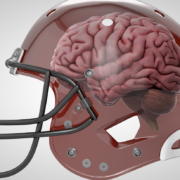
NFL COVID Test Returns Positive For CTE
According to sources close to the Pittsburgh Steelers, the entire NFL has breathed an immense sigh of relief this week after an undisclosed Steelers player’s initial positive COVID-19 test turned out to have merely indicated positive for chronic traumatic encephalopathy instead.
“When I first heard the results, I thought we’d need to cancel our game for sure,” Steelers head coach Mike Tomlin said while addressing reporters on the floor of the UPMC training center, where his entire virus-free roster was busy practicing tackling drills. “But then it turned out that it was just CTE, so we went ahead and suited the guy up. He should be active for the rest of the season or at least until the suicidal depression or confusion sets in, and he stops showing up for practice.”
“Of course, even if he did show up after, at least that wouldn’t be contagious,” Tomlin added.
Many are hailing the COVID-19 test’s CTE result as proof that the NFL’s precaution measures are working. The league itself has undergone dramatic change in preparing to combat the spread of coronavirus, making sure to speak loudly and slowly to players during multiple preventative health seminars and switching the players’ helmets from porous and germ-retaining hard plastic to a safer but breathable five-layer cotton head covering.
“I’m glad that the league has come through for us because I can’t imagine how I could live with myself if I were the reason a player got permanent lung scarring or lifelong heart issues or, God forbid, ended up on a ventilator,” said Tomlin. “Thanks to the NFL’s many precautionary measures, though, it’s safe to say that my players are going to come out of this pandemic with four out of five of their main vital organs completely damage-free.”
According to the NFL Operations website, although players have been provided with the fastest and most accurate COVID-19 PCR testing available, the tests still do only have an accuracy rate of 85 percent, so the league is urging players to be vigilant for additional symptoms such as coughing, loss of taste, or inability to do basic math equations or remember the names of immediate family members.